Table of Contents
ToggleTop 10 Places to Visit in Munich, Germany
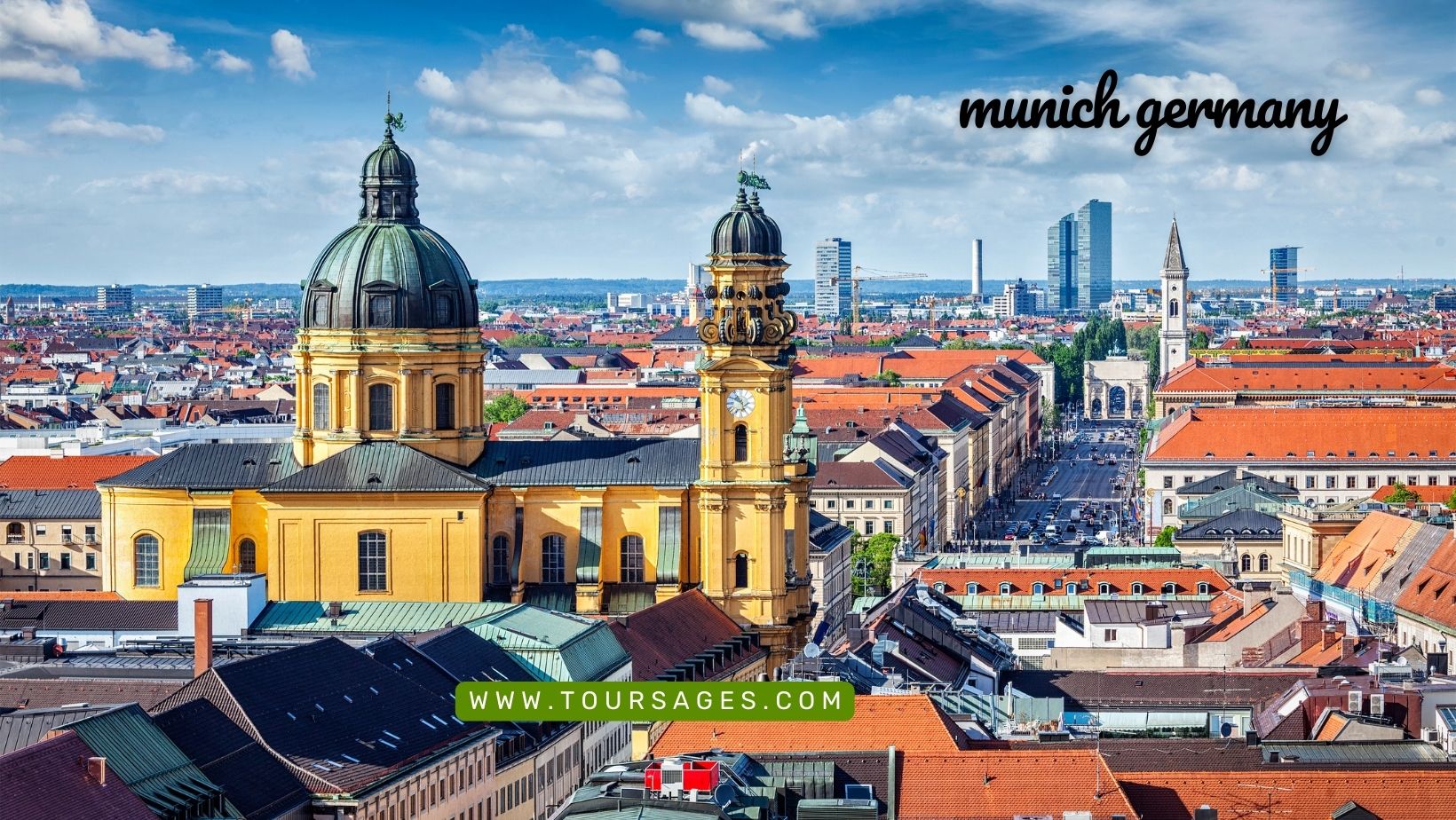
Planning a trip to Munich? You’re in for a treat. This Bavarian capital beautifully blends history, culture, innovation, and natural beauty. Whether you’re a history buff, nature lover, art fanatic, or simply love to explore new places, Munich has something for everyone. From medieval squares to futuristic car museums, Munich’s diversity is awe-inspiring. Let’s dive into the top 10 places you absolutely can’t miss when visiting this iconic German city.
1. Marienplatz – The Beating Heart of Munich
History and Significance
Marienplatz has been Munich’s main square since 1158—yes, it’s that old! This bustling plaza is where history and modernity intertwine. It’s named after the Marian column (Mariensäule), erected in 1638 to celebrate the end of Swedish occupation. The square was once the hub for markets and tournaments, and today, it remains the city’s epicenter.
Surrounded by historical buildings and buzzing with activity, Marienplatz is the perfect place to start your Munich adventure. It’s where locals meet, festivals happen, and tourists gather to soak in the city’s pulse.
Attractions Within Marienplatz
The centerpiece here is the Neues Rathaus (New Town Hall), a neo-gothic masterpiece that will leave you speechless. Its famous Glockenspiel comes alive daily at 11 a.m. and 12 p.m., reenacting Bavarian historical scenes with life-sized mechanical figures. Just a few steps away, you’ll find the Altes Rathaus (Old Town Hall), another architectural gem that now houses a toy museum.
Shopping lovers can explore Kaufingerstraße, one of Munich’s oldest shopping streets, which begins right at Marienplatz. Hungry? Grab a pretzel or sausage from nearby street vendors or indulge in authentic Bavarian cuisine at Ratskeller, a restaurant under the Town Hall.
Best Time to Visit
Early mornings offer a peaceful glimpse of the square, perfect for photography. However, to see the Glockenspiel and enjoy the lively atmosphere, midday visits are ideal. If you’re lucky enough to be here during Christmas, Marienplatz hosts one of Germany’s most magical Christmas markets.
2. Nymphenburg Palace – A Royal Escape
Architectural Grandeur
Built in the 17th century as a summer residence for Bavarian rulers, Nymphenburg Palace is a stunning example of baroque architecture. The moment you walk through its gates, you’re transported to a world of aristocratic opulence. Its grand facade stretches over 600 meters, making it one of the largest royal palaces in Europe.
Inside, you’re welcomed by elaborately decorated halls, antique furniture, intricate frescoes, and lavish chandeliers. The Steinerner Saal (Stone Hall) is the crown jewel, boasting dramatic ceiling paintings and gold-covered decor that reflect the wealth and power of the Wittelsbach dynasty.
Gardens and Museums
Step outside, and you’re greeted by meticulously manicured French-style gardens, tranquil canals, and charming pavilions like the Amalienburg—a small hunting lodge known for its Rococo interiors. It’s not just a palace; it’s an entire world of its own.
Within the complex, you’ll also find several small but fascinating museums, including the Marstallmuseum (Carriage Museum) and Museum of Nymphenburg Porcelain, which showcases centuries-old Bavarian craftsmanship.
Visitor Tips
Visit during spring or summer to enjoy the palace grounds in full bloom. Allocate at least half a day here—it’s massive! Audio guides are available, or you can join a guided tour to soak in the historical details. Don’t forget to wear comfortable shoes—you’ll be walking a lot!
3. English Garden – Nature’s Retreat in the City
Scenic Beauty and Layout
One of the largest urban parks in the world, the English Garden (Englischer Garten) is even bigger than New York’s Central Park. This green oasis stretches from the city center to the northeastern outskirts of Munich, offering both locals and tourists a peaceful escape.
Designed in 1789 by Sir Benjamin Thompson, it follows the style of traditional English landscaping with natural streams, winding paths, open meadows, and dense woodlands. Whether you want to jog, bike, have a picnic, or simply lay under a tree with a book, the English Garden has space for it all.
Must-See Spots in the Garden
Chinese Tower (Chinesischer Turm): A 25-meter-high wooden pagoda surrounded by one of Munich’s most popular beer gardens. It’s the perfect spot for enjoying a local brew and bratwurst under the shade of chestnut trees.
Monopteros: This small Greek-style temple sits atop a hill and offers panoramic views of the city skyline.
Surfing at the Eisbachwelle: Believe it or not, Munich has a surfing spot! At the southern end of the park, the Eisbach River forms a standing wave where surfers perform daring tricks year-round—even in winter!
Recreational Activities
You can rent a paddle boat on the Kleinhesseloher Lake, grab a bite at the Seehaus beer garden, or simply wander the shaded trails. In summer, the park is alive with musicians, yogis, sunbathers, and locals enjoying every bit of sunshine.
Early morning is ideal for joggers, while sunset makes for a magical walk. Entry is free, and you can access it via multiple public transport points, including the Universität or Lehel U-Bahn stations.
4. BMW Museum – For Car Enthusiasts and Innovators
Exhibits and Displays
Whether you’re a car aficionado or not, the BMW Museum is a must-see. Located next to the BMW headquarters and the Olympiapark, this futuristic building showcases over 100 years of BMW innovation, design, and technology.
From classic vintage models to sleek prototypes and high-performance M-series vehicles, the exhibits here are a celebration of engineering and style. You’ll walk through seven themed “houses” that cover everything from brand history and motorsport success to sustainability efforts and future technologies.
BMW Welt Experience
Right across from the museum is BMW Welt, a showroom, event space, and delivery center rolled into one. Here, you can sit inside the newest BMW, Rolls Royce, or MINI models. It’s interactive, engaging, and family-friendly.
The futuristic design of the building itself is a visual marvel, and the on-site restaurants and gift shops make it a great place to spend a few hours.
Guided Tours and Tickets
You can explore the museum on your own, but guided tours offer deeper insights into BMW’s legacy. Tickets are reasonably priced (€10 for adults), and combo tickets with BMW Welt are available. The site is fully accessible and kid-friendly.
Plan a visit in the afternoon after checking out nearby Olympiapark. Parking is available, and the Olympiazentrum U-Bahn stop drops you just steps away.
5. Deutsches Museum – Where Science Comes Alive
Range of Exhibits
The Deutsches Museum is the world’s largest museum of science and technology, and it’s simply fascinating. Located on an island in the Isar River, this massive institution houses over 28,000 objects from 50 fields of science and engineering. From aerospace and astronomy to chemistry, physics, and telecommunications, every exhibit is meticulously curated to both educate and entertain.
You can explore life-sized aircraft, working models of power plants, and even early submarines. The mining section takes you underground—literally—with a walk-through replica of a real mine.
Interactive Zones
What makes the Deutsches Museum especially great for families is its hands-on approach. Kids (and curious adults) can play with experiments, create sparks in a Tesla coil, or see how sound and optics work in real-time.
There’s even a special children’s section designed to turn learning into pure fun—perfect for a rainy day in Munich.
Ideal Time to Explore
Due to its vastness, you’ll want to dedicate an entire day here. Arrive early and wear comfy shoes—there’s a lot to explore. Guided tours are available, and the museum also has a planetarium, cafe, and library.
Located near the Isartor station, it’s easy to reach. Entry costs around €14 for adults, with family tickets and student discounts available.
6. Olympiapark – Legacy of the 1972 Summer Olympics
Architectural Wonder
Olympiapark is not just a park—it’s a historic and architectural landmark. Built for the 1972 Summer Olympics, the park showcases some of the most innovative architecture of its time, especially the Olympiastadion with its sweeping, tent-like roof structure. The design was ahead of its era and still feels modern even today. The area has since evolved into a central hub for sports, concerts, cultural events, and leisure activities.
The architecture alone is worth the visit. The transparent acrylic glass roof structure over the stadium and swimming halls gives the park a unique futuristic appearance that still holds up more than 50 years later.
Top Attractions Within the Park
Olympiaturm (Olympic Tower): Standing at 291 meters, it offers the best panoramic view of Munich. There’s also a revolving restaurant at the top and even a rock ‘n’ roll museum inside.
Sea Life Munich: Located near the tower, it’s a family favorite that features a wide variety of aquatic life.
Olympia Lake: Perfect for a peaceful walk or boat ride.
Olympiaberg (Olympic Hill): A man-made hill offering spectacular sunset views of Munich’s skyline.
In summer, the park buzzes with life—concerts, festivals, open-air cinemas, and flea markets draw both locals and tourists. In winter, you can even go ice skating in the stadium!
Activities and Events
From sports tournaments and car shows to yoga sessions on the lawn and music festivals, there’s always something happening. You can also rent a pedal boat, join a guided tour of the stadium, or go ziplining across it! If you’re into fitness, the trails here are excellent for jogging or biking.
Entry to the park is free, but some attractions have separate entry fees. Take the U3 line to Olympiazentrum, and you’re right there.
7. Viktualienmarkt – Munich’s Iconic Outdoor Market
A Food Lover’s Paradise
If you want to taste Munich—literally—head to Viktualienmarkt, located just a short walk from Marienplatz. This vibrant outdoor market has been the city’s culinary heartbeat since 1807. “Viktualien” means victuals or provisions, and here, you’ll find everything from fresh produce and local meats to gourmet cheese, exotic spices, and traditional Bavarian snacks.
The market is open year-round, and its colorful stalls and fragrant aromas create an irresistible atmosphere. Whether you’re picking up picnic supplies or just browsing, it’s a feast for the senses.
What to Eat and Drink
Weißwurst and Brezn (Pretzel): Enjoy the classic Bavarian breakfast of white sausage and a warm pretzel.
Obatzda: A rich cheese spread made with Camembert, butter, and onions, best enjoyed with rye bread.
Fresh Juices and Exotic Fruits: Ideal for a refreshing break.
Craft Beer: Many stalls offer local beer on tap. Pair it with a sausage, and you’re living the Munich dream.
In the center of the market is a large biergarten (beer garden) shaded by chestnut trees and surrounding a traditional Maypole (Maibaum)—a symbol of Bavarian culture.
Local Culture and Events
Viktualienmarkt is more than a market—it’s a cultural space. Throughout the year, it hosts events like Fasching (Carnival), Maibaumfest, and Christmas markets. You’ll often catch live folk music, dancing, or costumed characters parading through.
It’s open from Monday to Saturday, 8 a.m. to 8 p.m. Most stalls are closed on Sundays, so plan accordingly. It’s easily accessible from Marienplatz U-Bahn station.
8. Residenz München – A Journey Through Royal History
A Palatial Masterpiece
Right in the heart of Munich, the Residenz is the former royal palace of Bavarian monarchs—and it’s nothing short of magnificent. With over 130 rooms, it’s Germany’s largest city palace and offers a deep dive into the art, culture, and lifestyle of the Wittelsbach dynasty.
From Renaissance to Baroque, Rococo to Neoclassicism, each wing of the palace reflects the evolving tastes and styles of different centuries. Walking through this place feels like flipping through a luxurious, centuries-old photo album.
Must-See Rooms and Features
Antiquarium: One of the most breathtaking Renaissance halls in Europe, adorned with ancient Roman busts and ceiling frescoes.
Grottenhof (Grotto Courtyard): A stunning courtyard decorated with shells, crystals, and mythological statues.
Residenz Treasury: This part of the museum houses the crown jewels, scepters, and relics that once belonged to Bavaria’s elite.
Don’t miss the Allerheiligen-Hofkirche, a reconstructed church that now serves as a concert venue. Even if you’re not into royal history, the sheer opulence of this place will leave you spellbound.
Tips for Visitors
Audio guides and app tours are available and highly recommended. The Residenz Museum, Treasury, and Cuvilliés Theatre all require separate tickets, but combo passes are available. Allow at least 2–3 hours to explore the main areas.
Easily reachable from Odeonsplatz station, it’s a must-see for history buffs and art lovers alike.
9. Hofbräuhaus – The World’s Most Famous Beer Hall
A Bavarian Institution
When people think of German beer halls, they often picture long wooden tables, oompah bands, giant beer mugs, and waiters in Lederhosen. That’s Hofbräuhaus to a T. Established in 1589 by Duke Wilhelm V, this iconic beer hall has served generations of beer lovers, from locals to world leaders to curious travelers.
Located just minutes from Marienplatz, Hofbräuhaus is more than just a place to drink—it’s a cultural landmark where Bavarian traditions come alive in full color and sound.
What to Expect
As soon as you walk in, you’re enveloped in the warm, festive atmosphere of clinking mugs, live brass bands, and the mouthwatering aroma of roast pork and dumplings. Whether you sit in the historic beer hall, the upstairs dining room, or the open-air beer garden, you’re in for an authentic experience.
The food menu includes:
Schweinshaxe (Pork Knuckle)
Weißwurst (White Sausage)
Leberknödel Suppe (Liver Dumpling Soup)
And of course, the house beer brewed by Hofbräu München, served in 1-liter steins.
Tips for Visiting
It’s very popular, so arrive early or make a reservation, especially in the evenings. The waitstaff often wear traditional costumes, and some even have their own personal beer steins stored in a locker behind the counter—talk about loyalty!
There’s also a gift shop where you can grab souvenirs like mugs, T-shirts, and beer-themed trinkets.
10. Allianz Arena – Home of FC Bayern Munich
An Icon of Modern Sport
For football fans, a trip to Munich isn’t complete without visiting the Allianz Arena. Home to FC Bayern Munich, this stadium is a marvel of modern design. With its exterior of inflated ETFE plastic panels that glow in different colors, it’s one of the most recognizable stadiums in the world.
Opened in 2005, it has a capacity of 75,000 and has hosted everything from Bundesliga matches to UEFA Champions League finals.
Inside the Arena
A guided tour takes you behind the scenes—into the locker rooms, press area, player’s tunnel, and even the VIP boxes. You’ll get to walk the same route your favorite players do before stepping onto the pitch. There’s also the FC Bayern Museum, which is Germany’s largest football club museum, filled with trophies, memorabilia, and interactive exhibits.
Even if you’re not a diehard football fan, the technology and scale of the arena are jaw-dropping.
Game Day Experience
Watching a live match here is something else. The electric atmosphere, the sea of red and white scarves, and the synchronized chants make for an unforgettable experience. You can buy tickets online, though they sell out quickly—especially for major matches.
The stadium is located in Fröttmaning, about 20 minutes from the city center on the U6 subway line.
Conclusion
Munich is one of those rare cities that can satisfy every kind of traveler. Whether you’re wandering through royal palaces, relaxing in vast green spaces, diving deep into German history, or enjoying a frothy beer in a centuries-old hall, the experiences are unforgettable. This city has mastered the art of balancing the old with the new. From the medieval beauty of Marienplatz to the futuristic design of the BMW Museum and Allianz Arena, Munich gracefully blends its rich history with modern vibrancy.
For those seeking culture, places like the Residenz and Deutsches Museum offer insight into Bavaria’s royal and scientific legacy. If nature is what you’re after, English Garden and Olympiapark provide lush green spaces to unwind. Want to taste the real Munich? Viktualienmarkt and Hofbräuhaus will treat your palate to Bavarian delights. And if you’re a football fanatic, Allianz Arena is a pilgrimage site.
The city is well-connected, clean, and safe, making it perfect for families, solo travelers, or couples. There’s an efficient public transportation system that takes you everywhere, and most of the popular sites are within walking distance from the city center.
So, whether it’s your first time or your fifth, Munich always has something new to discover. Let this list be your guide—but also leave room for a little spontaneity. Munich has a habit of surprising you when you least expect it.
FAQs
1. What’s the best time to visit Munich?
The best times to visit Munich are late spring (May to June) and early fall (September to October). These months offer mild weather, fewer crowds, and vibrant festivals like Oktoberfest and Frühlingsfest. Summer is also popular, especially for outdoor events, though prices and tourist numbers tend to rise. Winter brings charming Christmas markets and snow-dusted scenery but can be cold.
2. Is Munich expensive for tourists?
Yes, Munich is considered one of the pricier cities in Germany, especially for accommodation and dining in the city center. However, with smart planning, you can enjoy the city on a budget. Opt for public transportation over taxis, eat at local markets or smaller eateries, and take advantage of free attractions like English Garden, Olympiapark, and Marienplatz.
3. Can I get around Munich without speaking German?
Absolutely! Most locals, especially in the hospitality and tourism sectors, speak excellent English. Signs in museums, public transport, and restaurants often include English translations. However, learning a few basic German phrases like “Danke” (Thank you) or “Sprechen Sie Englisch?” (Do you speak English?) can go a long way in showing respect.
4. What’s the best way to get around Munich?
Munich has one of the most efficient public transport systems in Europe. The U-Bahn (subway), S-Bahn (commuter trains), trams, and buses are all part of an integrated network. Get a Munich CityTourCard or Bayern Ticket for unlimited rides and discounts at many attractions. For short distances, cycling is popular, and bike rentals are easy to find.
5. How many days do I need to explore Munich fully?
Ideally, 4 to 5 days is perfect to cover the main highlights of Munich at a comfortable pace. This gives you time to explore top sights like Marienplatz, Nymphenburg Palace, English Garden, and the BMW Museum, while also leaving room for a day trip to Neuschwanstein Castle, Dachau Memorial Site, or Salzburg.
top 10 places to see in Berlin
best source for Health and wellness
Unveiling Paradise: Top 10 Places to Explore in Tulum, Mexico
BONUS TOUR GUIDE
Munich Uncovered: Your Ultimate Travel Handbook to Bavaria’s Hidden Gems!
Munich Unveiled: Your Ultimate Guide to the Top 10 Places for an Enchanting Sojourn
Dive into the heart of Bavaria as we embark on a journey through Munich’s top 10 places, blending tradition, culture, and modernity. This travel guide unveils the secrets of Munich, providing meticulously crafted itineraries and insider tips for an unforgettable adventure.
Day 1 – Old Town Charms
Morning – 9:00 AM to 12:00 PM
Begin your Munich escapade at Marienplatz, surrounded by stunning architecture. Witness the Glockenspiel’s performance and soak in the lively atmosphere.
Afternoon – 1:00 PM to 4:00 PM
Explore Viktualienmarkt, a bustling food market. Head to Hofbräuhaus for a quintessential Bavarian lunch experience and savor the city’s famous pretzels.
Evening – 5:00 PM onwards
Wander through the streets of Old Town, discovering hidden gems. Conclude the day at Alter Peter for panoramic views of the city.
Day 2 – Art and Culture Extravaganza
Morning – 8:00 AM to 12:00 PM
Visit the Pinakothek der Moderne for a dose of contemporary art. Stroll through the English Garden, one of the largest urban parks globally, and enjoy a peaceful morning.
Afternoon – 1:00 PM to 4:00 PM
Indulge in a delightful lunch at a traditional beer garden like Chinesischer Turm. Explore Nymphenburg Palace, a Baroque masterpiece surrounded by lush gardens.
Evening – 5:00 PM onwards
Discover the vibrant neighborhood of Schwabing, known for its artistic spirit. Enjoy dinner at a local Bavarian or international restaurant.
Day 3 – Olympiapark and Beyond
Morning – 9:00 AM to 12:00 PM
Start your day at Olympiapark, site of the 1972 Summer Olympics. Climb the Olympiaturm for breathtaking views of the city and the Alps.
Afternoon – 1:00 PM to 4:00 PM
Visit the BMW Welt and Museum for a glimpse into automotive excellence. Enjoy lunch at one of the nearby restaurants.
Evening – 5:00 PM onwards
Conclude your Munich adventure with a leisurely stroll through the English Garden or a relaxing evening at a beer garden.
Munich Magic Unleashed: Your Essential Travel Companion
Unlock the wonders of Munich with our comprehensive guide, ensuring you experience the city’s rich culture and diverse offerings. From historic landmarks to cultural hotspots, let this guide be your passport to Munich magic.