Table of Contents
ToggleTop 10 Places to Visit in Dresden, Germany
Dresden, the capital of Saxony in eastern Germany, is often called the “Florence on the Elbe.” With its rich cultural heritage, stunning baroque and rococo architecture, and vibrant art scene, Dresden stands as one of the most beautiful cities in Europe. Nestled along the Elbe River, the city has a story of resilience and restoration after being heavily bombed during World War II. Today, it’s a perfect blend of old-world charm and modern elegance, attracting millions of travelers every year. Whether you’re a history buff, art lover, or just in search of charming streets and picturesque views, Dresden has something to offer.
1. Frauenkirche Dresden (Church of Our Lady)
History and Restoration
Frauenkirche Dresden is not just a church—it’s a symbol of peace, resilience, and the city’s rebirth. Originally built in the 18th century, the church was a masterpiece of Protestant sacred architecture, admired for its grand dome. Tragically, it was reduced to ruins during the Allied bombing of Dresden in 1945. For decades, it stood as a war memorial in its damaged state, until reunification brought new hope.
In the 1990s, efforts to rebuild the Frauenkirche began, using original materials where possible. Completed in 2005, the reconstruction was a powerful testament to the city’s spirit. Today, it stands tall again, an architectural and emotional heart of Dresden, reminding everyone of the power of peace and perseverance.
Architectural Marvel
One look at the Frauenkirche and you’ll be mesmerized. The enormous stone dome—referred to as the “Stone Bell”—is one of the largest domes in Europe and a feat of engineering. Inside, the church is just as captivating, with pastel-colored galleries, gold details, and an intricately decorated altar.
Walking up the dome (or taking the elevator partway) rewards visitors with one of the best panoramic views of Dresden. You’ll get a bird’s-eye perspective of the old town, the Elbe River, and the surrounding countryside.
Things to Do and See
Attend an organ concert or church service.
Explore the crypt where historic elements are preserved.
Visit the observation platform for unbeatable city views.
Join a guided tour to learn about the church’s symbolism and architectural features.
Frauenkirche isn’t just a stop on a tourist’s itinerary; it’s a deeply moving experience.
2. Zwinger Palace
Baroque Architecture
Zwinger Palace is one of Germany’s most important baroque buildings and a crown jewel of Dresden. Originally designed as an orangery and festival arena in the early 18th century, it was later transformed into a palace complex by Augustus the Strong. Its stunning design, elaborate sculptures, and perfectly proportioned pavilions make it a masterpiece of architectural harmony.
The central courtyard is surrounded by ornate galleries and graceful arches, perfect for those Instagram-worthy vacation shots. Just strolling through the Zwinger feels like stepping into a fairy tale.
Museums Inside Zwinger
The Zwinger isn’t just a visual treat; it’s home to some of Dresden’s most prestigious museums:
Old Masters Picture Gallery (Gemäldegalerie Alte Meister): Featuring works by Raphael, Rembrandt, Vermeer, and Titian.
Mathematics and Physics Salon: A fascinating collection of historic scientific instruments.
Porcelain Collection: One of the most important porcelain collections in the world, showcasing Meissen and Chinese pieces.
Each museum offers a unique window into different facets of history and art.
Best Times to Visit
The Zwinger is enchanting year-round, but spring and early summer offer the best weather to enjoy its gardens. Arrive early to avoid the crowds and get unobstructed views. Don’t forget to check for evening concerts or events in the courtyard, which are magical under the stars.
3. Semperoper (Semper Opera House)
Cultural Significance
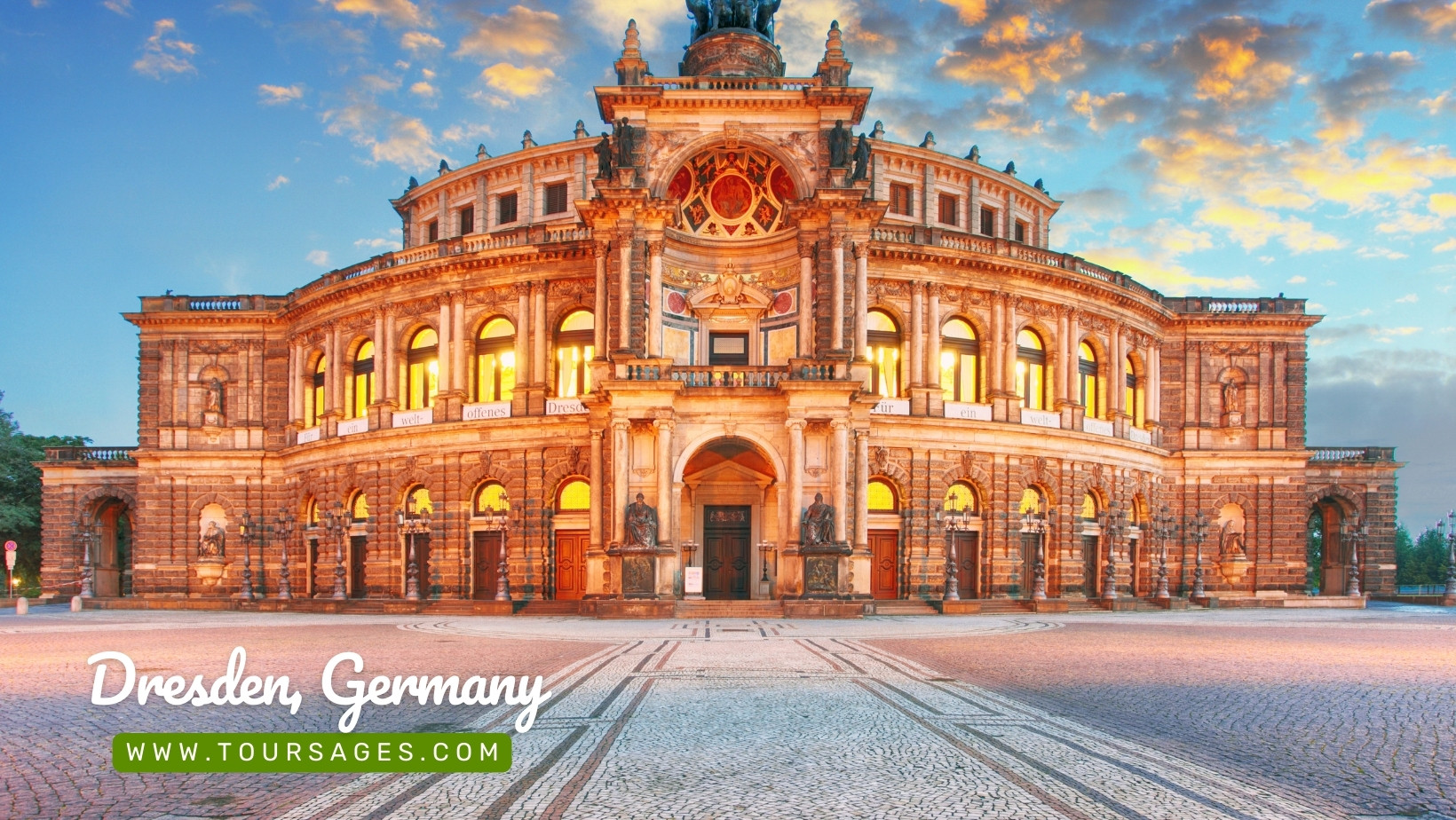
The Semperoper is not just Dresden’s top performance venue—it’s one of the most beautiful opera houses in the world. Built in the 19th century by architect Gottfried Semper, the building reflects Italian Renaissance style with a touch of baroque elegance. It’s the home of the Saxon State Opera, the Staatskapelle Dresden (one of the world’s oldest orchestras), and the Semperoper Ballet.
Throughout history, the opera house has premiered works by Richard Wagner and Richard Strauss, two giants of German classical music. Today, it continues to host top-notch performances, from opera to ballet to orchestral concerts.
Guided Tours and Shows
Even if you’re not an opera enthusiast, a guided tour of the Semperoper is worth every minute. You’ll be awestruck by the grand marble staircases, plush red velvet interiors, golden detailing, and frescoed ceilings. The stage and backstage areas are equally fascinating.
If you can, book a performance. Watching a show in this historic venue is a once-in-a-lifetime experience. Make sure to dress for the occasion; formal attire is recommended.
Nearby Attractions
After visiting Semperoper, you’re in the heart of the old town. Right next door is the Zwinger Palace and Dresden Castle. The Elbe River is just a short walk away, offering riverside views and boat tours.
4. Dresden Castle (Residenzschloss)
Historical Importance
Residenzschloss, or Dresden Castle, is a treasure trove of history. Once the royal residence of the Saxon kings, it has evolved over centuries, showcasing Renaissance, baroque, and classicist styles. Severely damaged during WWII, the castle has been meticulously restored and today houses several of Dresden’s top museums.
Its majestic facade and fortified towers give it a stately appearance, while inside, it’s brimming with art, artifacts, and regal splendor. A visit here is like stepping into a royal past.
Green Vault and Collections
The biggest draw inside the castle is the Green Vault (Grünes Gewölbe), which contains one of Europe’s most dazzling collections of treasures. Divided into the Historic Green Vault and the New Green Vault, you’ll see an incredible display of gold, ivory, gemstones, and royal memorabilia.
Other highlights include:
Turkish Chamber: Exotic weapons and textiles from the Ottoman Empire.
Coin Cabinet: With over 300,000 items.
Armory and State Apartments: Elaborate suits of armor, weapons, and restored rooms of the royal court.
Visitor Tips
Book Green Vault tickets in advance—space is limited.
Allocate at least 3–4 hours to explore.
Consider getting a museum combo ticket for better value.
Wear comfortable shoes—the castle is massive!
5. Brühl’s Terrace (Brühlsche Terrasse)
The Balcony of Europe
Brühl’s Terrace is affectionately known as the “Balcony of Europe,” and for good reason. This elevated promenade runs along the Elbe River and offers stunning views of the river, old town skyline, and the distant hills of Saxony. Originally part of the city’s fortifications, it was transformed into a public park and walking path in the 18th century.
Locals and tourists alike flock here for leisurely strolls, sunset views, or simply to watch the boats drift by. The elegant balustrades, classical statues, and blooming flowerbeds make it feel like something out of a romantic painting.
Attractions on the Terrace
Academy of Fine Arts: Known for its glass dome nicknamed the “Lemon Squeezer.”
Albertinum Museum: Showcasing art from the Romantic period to contemporary.
Monument to Johann Friedrich Böttger: Co-inventor of European porcelain.
Historic Cafés and Ice Cream Stands: Perfect for a midday break.
Walking Tips and Photo Spots
Brühl’s Terrace is especially photogenic at dawn and dusk. The views of Frauenkirche, Augustus Bridge, and the river reflections are spectacular. There are benches along the promenade for resting, and plenty of quiet corners to soak in the serenity.
6. Procession of Princes (Fürstenzug)
Historical Background
The Procession of Princes is one of Dresden’s most iconic sights—a massive mural that stretches along the outer wall of the Stallhof (Stable Courtyard) of Dresden Castle. Originally created between 1871 and 1876 to celebrate the 800th anniversary of the Wettin dynasty, it depicts a long line of Saxon rulers on horseback, spanning from the 12th century to the 20th.
Incredibly, this mural isn’t painted—it’s made of Meissen porcelain tiles, making it the largest porcelain artwork in the world. There are over 24,000 individual tiles forming this 334-foot-long masterpiece. During WWII, the mural survived the bombings almost unscathed, a near miracle given the surrounding destruction.
Mural Details
The mural showcases 35 rulers, starting with Konrad the Great and ending with King George of Saxony. Alongside them are noblemen, scientists, artisans, children, and even horses, all represented in stunning, lifelike detail.
The sheer scale of the piece and the precision of the figures are awe-inspiring. You can easily spend an hour just walking the length of it, spotting various expressions, clothing styles, and historical symbols embedded in the tiles.
Where to Find It
Located on Augustusstrasse, just behind the Frauenkirche and near Dresden Castle, the Procession of Princes is in a prime walking area. It’s free to visit and open 24/7, making it an ideal stop for both early risers and night owls.
Pro Tip: Visit early morning or late evening to avoid the daytime tourist crowds. The lighting during sunrise or sunset also adds a golden glow to the mural that’s perfect for photos.
7. Pillnitz Castle and Park
Royal Gardens and Palaces
Pillnitz Castle is a short trip outside Dresden’s city center but well worth the detour. Nestled right along the Elbe River, this former royal summer residence is made up of three distinct buildings: the Riverside Palace, the Upper Palace, and the New Palace. Each structure represents a blend of baroque and chinoiserie architectural styles, reflecting the fascination with the Far East during the 18th century.
But it’s the surrounding parklands that steal the show. Spanning over 77 acres, the gardens are lush, meticulously maintained, and filled with exotic plants, centuries-old trees, fountains, and walking paths.
River Elbe Views
One of the most enchanting ways to reach Pillnitz is by boat. Paddle steamers and cruise ships regularly ferry visitors down the Elbe, offering a relaxing scenic ride past vineyards, forests, and stately homes.
Once you arrive, the riverside location of the palace is absolutely serene. Grab a bench or sit on the grass to soak in the peaceful ambiance and watch the boats float by.
Events and Tours
Pillnitz often hosts cultural events like:
Open-air concerts
Flower festivals
Seasonal exhibitions
Inside the buildings, you’ll find:
The Museum of Decorative Arts
Royal residential rooms
Interactive displays on the history of Saxon royalty
Guided tours are available, but the estate is just as lovely when explored at your own pace. Don’t miss the Camellia Tree, believed to be over 230 years old, housed in a climate-controlled glass dome during winter.
8. Dresden Panometer
What is a Panometer?
The Dresden Panometer is unlike any museum you’ve visited. It’s housed in a former gasometer—a huge circular gas storage tower—and features massive 360-degree panoramic paintings by artist Yadegar Asisi. These immersive visual worlds are printed on canvas, hung around the inside of the tower, and combined with ambient sounds and lighting for a breathtaking effect.
Exhibitions and Experiences
Themes at the Panometer rotate every few years, but some of the most famous include:
“Dresden 1945” – A powerful and haunting recreation of the city right after the bombing.
“Baroque Dresden” – Showcasing the city in its 18th-century glory.
A central viewing platform allows you to stand “in the scene” and look out across the panorama as though you were really there. Accompanying exhibits provide context through video, models, and interviews.
It’s educational, emotional, and incredibly engaging—ideal for all ages.
Best Time to Go
Weekday mornings are best to avoid crowds. A visit takes about 1.5 to 2 hours, but many linger longer, mesmerized by the panoramic views and soundscapes. If you’re traveling with kids or history lovers, this spot is a must-see.
9. Neustadt District
Art, Culture, and Vibes
When you’ve had your fill of baroque architecture and historical grandeur, cross the Elbe and explore Neustadt, Dresden’s modern, edgy, and artistic side. Neustadt is split into two parts: Innere Neustadt, which is more historic and elegant, and Äußere Neustadt, a hotspot for counterculture and creativity.
Expect to find colorful street art, funky boutiques, and independent galleries tucked between vibrant cafes and craft beer bars. It’s the kind of place where you discover something new around every corner.
Bars, Cafés, and Nightlife
If you’re wondering where Dresden locals hang out after dark, it’s here. The nightlife in Äußere Neustadt is legendary, especially along Alaunstraße and Görlitzer Straße.
Don’t miss:
Katy’s Garage – A quirky open-air club.
Rosis – An all-time favorite for dancing.
Scheune – A cultural center with concerts, indie films, and events.
By day, it transforms into a café lover’s dream with brunch spots, vegan bakeries, and vintage teahouses. Whether you want to sip espresso or chug craft beer, Neustadt has you covered.
Alternative Shopping Scene
Forget big-box stores—Neustadt is all about indie shopping. You’ll find:
Vinyl record shops
Handmade jewelry boutiques
Sustainable fashion outlets
Local art collectives
It’s a great place to pick up unique souvenirs that you won’t find in typical tourist shops.
10. Grosser Garten (Great Garden)
Nature Escape in the City
Need a break from museums and monuments? Head to the Grosser Garten, Dresden’s largest and most beloved public park. Established in the late 17th century, this baroque-style garden sprawls over 1.8 square kilometers and offers green spaces, tree-lined avenues, flower beds, and serene lakes.
It’s a favorite spot for locals to relax, jog, cycle, or picnic on sunny days. The central axis of the park leads to a picturesque Palace of the Great Garden, used today for special events and exhibitions.
Dresden Zoo and Park Railway
Inside the park, you’ll find attractions perfect for families:
Dresden Zoo: Home to over 2,000 animals and well-regarded for its natural enclosures and conservation efforts.
Botanical Garden: Showcasing more than 10,000 plant species from around the globe.
Parkeisenbahn (Miniature Railway): A charming narrow-gauge railway operated partly by local children, perfect for kids and nostalgic adults alike.
You can rent a pedal boat or take a ride on the miniature train, making the whole park an interactive and fun experience.
Relaxation and Activities
Whether you’re in the mood for a lazy stroll, an energizing bike ride, or a quiet reading spot, the Grosser Garten has it all. Visit in spring to see tulips and cherry blossoms or in fall for golden foliage. There’s plenty of open space, so it never feels crowded, even on weekends.
Conclusion
Dresden is a city that effortlessly balances the grandeur of the past with the vibrancy of the present. From its jaw-dropping baroque architecture and rich royal history to its modern art districts and relaxing green spaces, there’s something in Dresden for every kind of traveler. Whether you’re tracing the footsteps of Saxon kings at the Residenzschloss, marveling at panoramic art in a gas tower, or simply sipping coffee while people-watching in Neustadt, Dresden never fails to impress.
What makes Dresden truly special is its ability to tell a story. It speaks of resilience, cultural pride, and the enduring beauty of craftsmanship. Every corner of the city—from the towering dome of the Frauenkirche to the peaceful paths of the Grosser Garten—whispers tales of history, tragedy, revival, and triumph.
So pack your bags and get ready to step into one of Europe’s most captivating cities. Whether it’s your first visit or your tenth, Dresden always has something new to show you. And trust us, you’ll leave with not just photographs, but with memories etched deep in your heart.
FAQs
What is the best time to visit Dresden?
The best time to visit Dresden is from May to September, when the weather is warm, festivals are in full swing, and outdoor activities like river cruises and park strolls are most enjoyable. However, December is also magical with its world-famous Striezelmarkt Christmas market.
Are there guided tours in English?
Yes, Dresden offers plenty of English-speaking guided tours, including walking tours of the Old Town, themed historical tours, museum guides, and boat trips along the Elbe. Many attractions like the Zwinger and Semperoper also provide audio guides or official tours in English.
How many days are enough for Dresden?
A 3-day trip is ideal to cover most of Dresden’s top attractions without rushing. This allows time for museums, a day trip to Pillnitz Castle, exploring Neustadt, and enjoying some leisure time in Grosser Garten or on the river.
Is Dresden suitable for families?
Absolutely. Dresden is very family-friendly with attractions like the Dresden Zoo, Park Railway, Panometer, and interactive museums. Parks and open spaces offer room for kids to run and play, and public transport is easy to use even with strollers.
Are public transport options tourist-friendly?
Yes, Dresden’s public transportation network (trams, buses, and ferries) is efficient, clean, and well-suited for tourists. You can buy day passes, use mobile apps, or get the Dresden Card for unlimited travel and discounted admission to attractions.
things to do in hamburg Germany
Las Vegas Unveiled: Top 10 Places to Visit in the Glittering Oasis
BONUS TRAVEL GUIDE
Dresden Diaries: Unleashing the Secrets of Germany’s Crown Jewel – Your Ultimate Travel Companion!
Welcome to Dresden, a city where history, culture, and modernity coalesce in a breathtaking ensemble. In this travel guide, we’ll navigate through the top 10 places in Dresden, providing you with a sample itinerary, program guide, and essential details to make your visit unforgettable.
Day 1 – Immersing in Baroque Splendor
Morning – 9:00 AM to 12:00 PM
Begin your Dresden adventure at the Zwinger Palace. Marvel at the intricate Baroque architecture, explore the museums within the complex, and stroll through the Zwinger Gardens. Don’t miss the iconic Nymphenbad fountain.
Afternoon – 1:00 PM to 4:00 PM
Enjoy a leisurely lunch at one of the charming cafes in Theaterplatz. Afterward, visit the Dresden Castle (Residenzschloss) to explore its historic chambers and the impressive Green Vault, showcasing an opulent collection of treasures.
Evening – 5:00 PM onwards
Wind down the day with a walk along the Elbe River promenade. As the sun sets, the panoramic views of the city and its iconic landmarks, including the Frauenkirche, create a magical atmosphere.
Day 2 – Art and Culture Extravaganza
Morning – 9:00 AM to 12:00 PM
Embark on a cultural journey at the Albertinum. Home to a vast collection of art spanning centuries, this museum offers a comprehensive insight into Dresden’s cultural evolution. Be sure to check out the New Masters Gallery.
Afternoon – 1:00 PM to 4:00 PM
Rejuvenate with lunch at Neustadt, Dresden’s vibrant and eclectic district. Afterward, explore the Kunsthofpassage, an ensemble of colorful and artistic courtyards that showcase Dresden’s contemporary flair.
Evening – 5:00 PM onwards
Indulge in an evening performance at the Semper Opera House. Whether it’s a classical concert or a ballet, the Semperoper promises an enchanting experience in one of Europe’s most renowned opera houses.
Day 3 – Communing with Nature and History
Morning – 10:00 AM to 1:00 PM
Escape to the Pillnitz Palace and Gardens. Roam the vast gardens, visit the opulent palace, and take a serene boat ride along the Elbe River for a refreshing morning amidst nature.
Afternoon – 2:00 PM to 5:00 PM
Savor a delightful lunch in Pillnitz, then explore the Dresden Transport Museum. From vintage cars to locomotives, this museum offers a fascinating journey through the evolution of transportation.
Evening – 6:00 PM onwards
Conclude your Dresden escapade with a visit to the Dresden Panometer. This 360-degree panoramic painting provides an immersive experience, transporting you to Dresden’s past or a distant world.
Dresden in Focus: A Traveler’s Paradise Unveiled
Dresden, with its timeless charm and cultural richness, is a must-visit destination for any traveler. This comprehensive guide ensures you make the most of your journey, uncovering the city’s beauty, history, and modern delights.