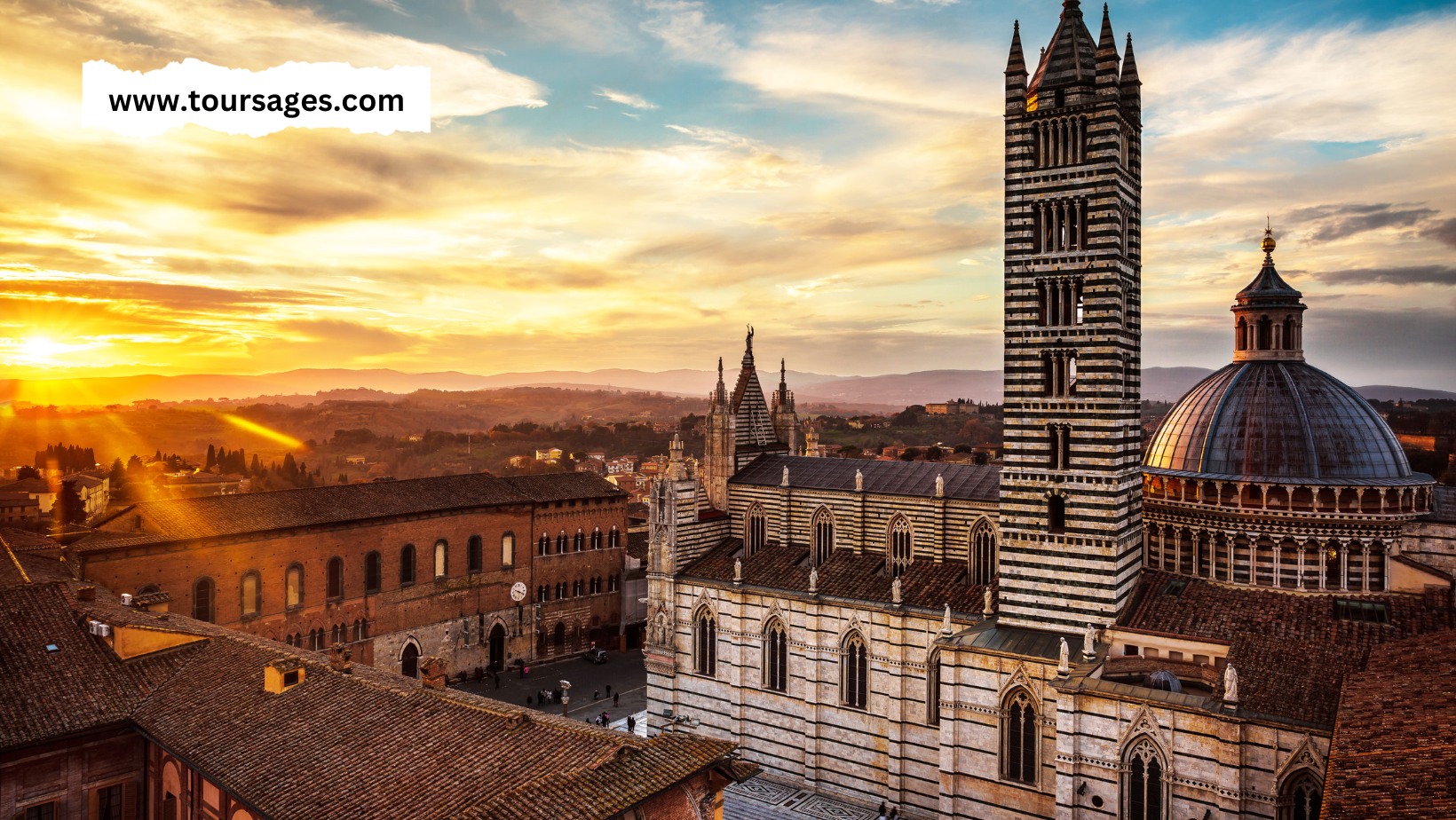
Siena Uncovered: A Guide to the Top 10 Enchanting Destinations in Tuscany
Introduction:
Nestled in the heart of Tuscany, Siena is a medieval gem celebrated for its historic charm, stunning architecture, and vibrant culture. In this guide, we’ll explore the top 10 places to visit in Siena, each contributing to the city’s timeless allure.
1. Piazza del Campo:
The beating heart of Siena, Piazza del Campo is a UNESCO World Heritage site and one of Europe’s greatest medieval squares. The shell-shaped piazza hosts the iconic Palio horse race and is surrounded by historic buildings, including the Palazzo Pubblico and the Torre del Mangia. Piazza del Campo, with its distinct sloping layout, is a masterpiece of urban design. The square hosts the biannual Palio, a historic horse race dating back to the 17th century. The Palazzo Pubblico, a stunning Gothic palace, and the soaring Torre del Mangia dominate the square’s periphery. Visitors can climb the tower for panoramic views of the city and surrounding countryside. The expansive square is a social hub, inviting locals and tourists to gather, relax, and savor the unique atmosphere of Siena.
2. Siena Cathedral (Duomo di Siena):
A masterpiece of Italian Gothic architecture, the Siena Cathedral captivates with its intricate facade, stunning interiors, and renowned artworks. The cathedral’s marble facade is adorned with sculptures, and its interior features treasures like the Piccolomini Library and the breathtaking mosaic floor. The Siena Cathedral, dedicated to the Assumption of Mary, is a visual feast for art and architecture enthusiasts. The facade, a work of art itself, is adorned with sculptures by Giovanni Pisano and others. Inside, the Piccolomini Library houses frescoes by Pinturicchio, depicting the life of Pope Pius II. The cathedral’s most celebrated feature is the inlaid marble mosaic floor, a masterpiece that covers the entire cathedral and is unveiled for public viewing during specific periods.
3. Basilica of San Domenico:
Known for its serene Gothic architecture, the Basilica of San Domenico is home to important religious relics, including the head of Saint Catherine of Siena. The interior showcases frescoes, chapels, and a tranquil cloister. The Basilica of San Domenico is a spiritual haven and a testament to Siena’s religious heritage. The Gothic-style architecture, with its rose window and elegant arches, provides a peaceful atmosphere for reflection. The interior houses the Chapel of Saint Catherine, where the saint’s preserved head is displayed in a golden reliquary. Frescoes and artworks by prominent artists adorn the walls, offering a glimpse into the medieval artistry that flourished in Siena.
4. Palazzo Salimbeni:
A historic palace that once served as the headquarters of Monte dei Paschi, the world’s oldest bank, Palazzo Salimbeni is an architectural marvel. The facade, with its medieval tower, stands as a symbol of Siena’s economic and financial history. Palazzo Salimbeni is a testament to Siena’s economic prowess and financial legacy. Originally built in the 14th century, the palace served as the headquarters of the Monte dei Paschi di Siena, the oldest continuously operating bank in the world. The Gothic facade, adorned with the coats of arms of noble families, is a captivating sight. The palace’s interior boasts historical artifacts, portraits, and a captivating courtyard. Visitors can appreciate the fusion of art, history, and finance that defines this iconic landmark.
5. Facciatone (Panorama from the Duomo Nuovo):
For panoramic views of Siena and its surroundings, Facciatone offers a unique vantage point. This unfinished section of the Duomo Nuovo provides breathtaking vistas of the city, showcasing its medieval layout and iconic landmarks. Facciatone, the panoramic terrace overlooking Siena, offers an unparalleled view of the cityscape. This unfinished section of the Duomo Nuovo, originally intended to be an extension of the cathedral, provides a unique perspective of Siena’s medieval layout. From this elevated point, visitors can admire the red-tiled rooftops, the rolling hills of Tuscany, and the iconic landmarks, including the Torre del Mangia and the Basilica of San Domenico. Sunset casts a warm glow over the city, creating a magical atmosphere that enhances the beauty of Siena.
6. Fonte Gaia (Fountain of Joy):
Located in Piazza del Campo, the Fonte Gaia is a 15th-century fountain that serves as a symbol of civic pride. The fountain’s sculptures and reliefs depict scenes of biblical and allegorical significance, offering a glimpse into Siena’s cultural and artistic heritage. Fonte Gaia, or the Fountain of Joy, is a captivating landmark in the heart of Siena. Crafted by Jacopo della Quercia, the fountain is a celebration of art, culture, and communal joy. The intricately carved sculptures and reliefs depict biblical stories, allegorical figures, and scenes of everyday life. The fountain has been a symbol of civic pride since its unveiling in the 15th century, providing a source of water for the people of Siena and serving as a testament to the city’s rich artistic heritage.
7. Palazzo Chigi-Saracini:
A palatial residence that now houses an important collection of art and music, Palazzo Chigi-Saracini is a cultural gem in Siena. The palace features a remarkable facade, a courtyard adorned with statues, and an impressive art collection spanning centuries. Palazzo Chigi-Saracini is a cultural treasure trove that showcases the intersection of art and music in Siena. The palace, with its distinct Gothic facade and elegant courtyard, exudes historical grandeur. Originally constructed for the Chigi and Saracini families, the palace now houses the Chigiana Academy of Music and an impressive art collection. Visitors can explore the museum, featuring works by renowned artists such as Duccio di Buoninsegna, Guido Reni, and Beccafumi. The palace’s concert hall hosts musical events, adding a harmonious note to Siena’s cultural landscape.
8. Santa Maria della Scala:
Once a medieval hospital, Santa Maria della Scala is now a museum complex that chronicles the history of Siena. The museum showcases archaeological finds, religious art, and exhibits detailing the hospital’s role in medieval society. Santa Maria della Scala, a former medieval hospital turned museum, offers a fascinating journey through Siena’s history. The complex, adjacent to the cathedral, served as a vital institution providing care to pilgrims and the needy. Today, visitors can explore the museum’s diverse exhibits, including archaeological discoveries, religious art, and artifacts depicting the hospital’s function in medieval society. The Pellegrinaio Hall features frescoes by Domenico di Bartolo, offering a glimpse into the artistic and compassionate legacy of this historic institution.
9. Porta Romana:
A well-preserved gate in Siena’s medieval walls, Porta Romana is a testament to the city’s fortifications. The gate features a striking design, flanked by towers and adorned with coats of arms, providing a glimpse into Siena’s military history. Porta Romana stands as a guardian to Siena’s medieval charm, offering a glimpse into the city’s fortified past. This well-preserved gate, one of the original entrances through the city walls, boasts a striking design with towers on either side. The gate is adorned with coats of arms, symbolizing the pride and heritage of Siena. Walking through Porta Romana transports visitors to a bygone era, inviting them to imagine the bustling life that once passed through this historic gateway.
10. Orto Botanico dell’Università di Siena (Botanical Gardens):
A hidden oasis in the heart of Siena, the Botanical Gardens provide a tranquil retreat. Established in the 16th century, the gardens feature a diverse collection of plants, herbs, and trees, creating a peaceful environment for visitors to enjoy. The Botanical Gardens of Siena, nestled within the city, offer a serene escape from the bustling streets. Established in the 16th century as a medicinal garden, this green oasis showcases a diverse array of plants, herbs, and trees. The layout of the gardens reflects both scientific and aesthetic considerations, creating a harmonious environment for leisurely strolls and quiet contemplation. Visitors can explore themed sections, such as the medicinal plant collection and the rock garden, while enjoying views of the city walls and cathedral. The Botanical Gardens provide a unique blend of history, horticulture, and tranquility within the heart of Siena.
Q & A Section:
What is Siena in Italy famous for?
Siena is famous for its medieval architecture, the Piazza del Campo, the Palio horse race, and the Siena Cathedral, showcasing exquisite art and Gothic design.
Is Siena worth visiting?
Absolutely, Siena is worth visiting for its rich history, cultural landmarks, and unique atmosphere. The well-preserved medieval charm and vibrant traditions make it a must-see destination.
What food is Siena famous for?
Siena is known for its Tuscan cuisine, featuring dishes like pici pasta, ribollita (vegetable soup), and panforte, a traditional dessert made with nuts, fruits, and spices.
Is one day enough for Siena?
While a day in Siena allows for a glimpse of its main attractions, spending at least two days allows a more immersive experience, exploring museums, gardens, and historic sites.
Is Siena good for shopping?
Siena offers charming shops and boutiques where visitors can find local crafts, wines, and traditional products. The historic center is ideal for leisurely shopping.
Is Siena Italy a walkable city?
Yes, Siena is highly walkable, with its compact medieval layout. Most of the attractions, including the Piazza del Campo and the cathedral, are within walking distance.
Is Lucca or Siena better?
Both cities offer unique charms. Siena boasts medieval architecture and traditions, while Lucca is known for its well-preserved Renaissance walls and a relaxed atmosphere.
What is a famous dessert from Siena Italy?
Panforte is a famous dessert from Siena, a dense and flavorful confection made with nuts, dried fruits, honey, and spices. It is often enjoyed during festive seasons.
What part of Siena to stay in?
Staying in the historic center is ideal, near the Piazza del Campo or the Cathedral. This allows convenient access to major attractions, dining, and shopping.
How expensive is Siena?
Siena is moderately priced compared to major Italian cities. Accommodation, dining, and attractions are generally affordable, offering good value for the experience.
Conclusion:
Siena, with its medieval charm, cultural treasures, and vibrant traditions, stands as a captivating destination in the heart of Tuscany. Each of the top 10 places mentioned in this guide contributes to the city’s rich tapestry, offering visitors a journey through history, art, and natural beauty. Whether exploring the iconic Piazza del Campo, marveling at the intricate details of the Siena Cathedral, or finding
For sight seeing trips in Ooty, India……
Top 10 places to visit in Pisa ……