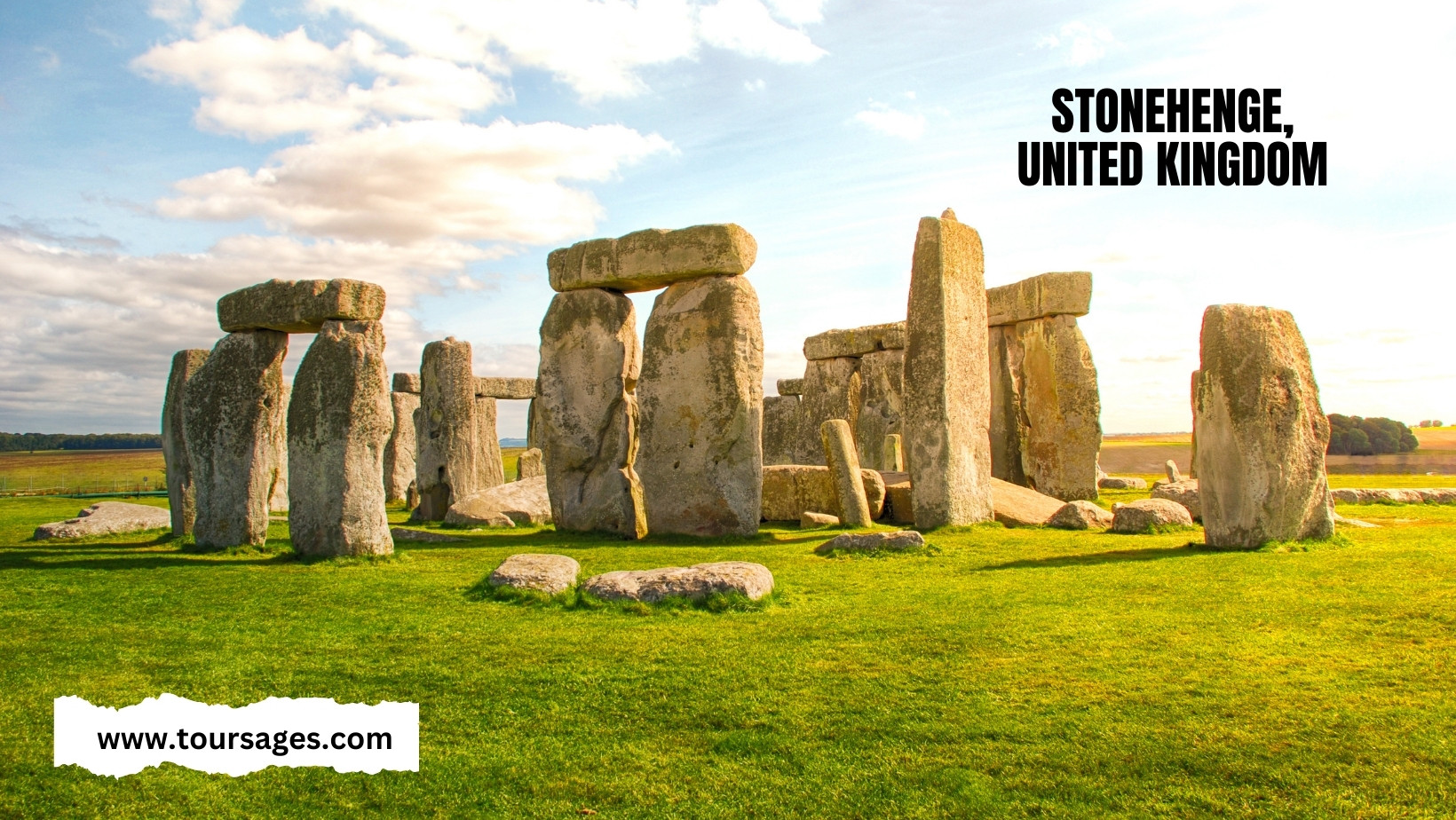
Stonehenge, an ancient marvel shrouded in mystery, stands as one of the world’s most iconic and enigmatic archaeological sites. In this comprehensive guide, we’ll explore the top 10 places to visit in and around Stonehenge, delving into its rich history and captivating allure.
Table of Contents
Toggle1. Stone Circle
The Stone Circle itself is the centerpiece of Stonehenge, comprising massive standing stones arranged in a circular pattern. These stones, some reaching up to 30 feet in height and weighing several tons, have fascinated archaeologists and visitors alike for centuries. The precise alignment and construction methods remain a subject of intrigue and speculation.
2. Visitor Center and Exhibition
The Visitor Center and Exhibition provide a comprehensive introduction to Stonehenge’s history and significance. Interactive displays, artifacts, and archaeological finds are showcased, offering visitors a deeper understanding of the site’s cultural and historical context. The center also provides amenities, including a café and gift shop.
3. Avenue
The Avenue is an ancient processional route leading to Stonehenge, marked by parallel banks and ditches. Walking along this ceremonial pathway provides a sense of the symbolic and spiritual importance attributed to Stonehenge by its ancient builders. The alignment of the Avenue with the solstices adds an extra layer of mystery.
4. Stonehenge Cursus
The Stonehenge Cursus is an elongated enclosure, around 100 meters wide and two miles long, situated near Stonehenge. Its purpose remains a subject of debate among archaeologists, with theories ranging from ceremonial use to a processional route. Exploring the Cursus offers a glimpse into the broader archaeological landscape.
5. Heel Stone
The Heel Stone stands just outside the main circle and is a significant marker in the Stonehenge complex. Aligned with the sunrise during the summer solstice, the Heel Stone plays a crucial role in the astronomical and ritualistic aspects of Stonehenge’s design.
6. Stonehenge Barrows
Surrounding Stonehenge are several burial mounds known as barrows. These Neolithic and Bronze Age graves provide insights into the social and religious practices of the people who once inhabited the area. Exploring the barrows offers a poignant connection to Stonehenge’s ancient past.
7. Amesbury
The nearby town of Amesbury, often considered one of the oldest continuously inhabited settlements in Britain, adds a contemporary dimension to a visit to Stonehenge. Amesbury offers charming pubs, local shops, and the Amesbury History Centre, providing additional historical context.
8. Woodhenge
A short distance from Stonehenge lies Woodhenge, a circular monument featuring wooden posts. Believed to be a ritual site contemporary with Stonehenge, Woodhenge offers a different perspective on the region’s ancient landscape, allowing visitors to compare and contrast these two significant archaeological sites.
9. Durrington Walls
Durrington Walls, located northeast of Stonehenge, is a massive henge and earthwork enclosure. It is considered one of the largest known henge monuments. The site is believed to have had a significant role in ritualistic activities and communal gatherings, providing insights into the social dynamics of the time.
10. The King Barrow Ridge
The King Barrow Ridge, situated to the south of Stonehenge, encompasses a series of burial mounds. These barrows are believed to date back to the Bronze Age and are part of the broader archaeological landscape surrounding Stonehenge. Exploring this ridge provides a serene and contemplative experience.
Q & A Section
Where is the best place to see Stonehenge?
The best place to see Stonehenge is within the designated viewing area at the Stonehenge Visitor Center. This location provides an optimal vantage point for observing the entire monument while offering insights through interpretive displays.
What are 5 interesting facts about Stonehenge?
- Age and Origin: Stonehenge dates back to around 3000 BCE, making it over 5000 years old.
- Megalithic Construction: The stones used in Stonehenge, called sarsens and bluestones, were transported from distant quarries, showcasing advanced engineering for its time.
- Astronomical Alignment: Stonehenge is aligned with celestial events, such as the summer solstice sunrise and the winter solstice sunset.
- Cursus Monument: The Stonehenge Cursus, a nearby enclosure, remains a mysterious and debated feature of the archaeological landscape.
- Continuous Use: Stonehenge has had different cultural and religious uses over the millennia, reflecting its enduring significance.
What do people like to do when they visit Stonehenge?
Visitors to Stonehenge often engage in a variety of activities, including exploring the stone circle, attending special events such as solstice celebrations, visiting the Visitor Center and Exhibition, and pondering the mysteries surrounding this ancient monument.
Where is Stonehenge 7 Wonders?
Stonehenge is not officially recognized as one of the New Seven Wonders of the World. However, it holds a place as one of the most iconic and enduring wonders of ancient architecture and engineering.
What is the biggest mystery about Stonehenge?
The purpose and exact methods of construction of Stonehenge remain the biggest mysteries. Theories range from astronomical observatory to religious and ceremonial site, and the debate among scholars continues.
What is the best day to visit Stonehenge?
The best day to visit Stonehenge may vary depending on personal preferences. However, significant astronomical events like the summer solstice draw large crowds, providing a unique and spirited atmosphere.
Is Stonehenge older than the Pyramids?
Yes, Stonehenge is older than the Egyptian pyramids. While Stonehenge’s construction began around 3000 BCE, the Great Pyramid of Giza, the oldest of the Egyptian pyramids, was built around 2580–2560 BCE.
How many bodies were found under Stonehenge?
Archaeological excavations have revealed the presence of cremated human remains at Stonehenge. The exact number of bodies is challenging to determine due to the passage of time and subsequent disturbances to the site.
What was found underneath Stonehenge?
Excavations underneath Stonehenge have uncovered various artifacts, including cremated human remains, animal bones, and tools. These findings contribute to our understanding of the rituals and activities that took place at the site.
What does the henge in Stonehenge mean?
The term “henge” in Stonehenge refers to the circular bank and ditch that encircle the stone monument. In archaeological terms, a henge typically denotes a prehistoric earthwork consisting of a circular bank with an internal ditch.
top 10 places to see in Madrid Spain…….
Discovering the Marvels of Rio de Janeiro: A Guide to the Top 10 Must-Visit Places
BONUS TOUR GUIDE
Exploring the Mysteries of Stonehenge: A Comprehensive Travel Guide
Discovering the Enigma of Stonehenge: Your Ultimate Travel Companion
Embark on a journey through time and mystery as we unravel the secrets of Stonehenge. This iconic prehistoric monument, located in the heart of England, has captivated travelers for centuries with its enigmatic presence and ancient allure. Join us as we guide you through a detailed itinerary, ensuring you make the most of your visit to this archaeological wonder.
Day 1 – Arrival and Orientation
Morning – 9:00 AM to 12:00 PM
Arrive in the charming town of Salisbury, the gateway to Stonehenge. Begin your day with a hearty English breakfast in one of the local cafes, soaking in the quaint atmosphere.
Afternoon – 1:00 PM to 4:00 PM
Head to the Salisbury Museum for an introduction to the history of Stonehenge. Explore the exhibits detailing the archaeological discoveries and theories surrounding this ancient site.
Evening – 5:00 PM onwards
Dine in one of Salisbury’s traditional pubs, immersing yourself in the local culture. Rest and rejuvenate for the adventure awaiting you at Stonehenge the next day.
Day 2 – Unveiling the Stones
Morning – 9:00 AM to 12:00 PM
Begin your journey to Stonehenge. Opt for an early morning visit to witness the stones bathed in the soft hues of sunrise. Capture the mystical ambiance as you explore the outer circle.
Afternoon – 1:00 PM to 4:00 PM
Enjoy a picnic lunch near the visitor center, surrounded by the ancient landscape. Immerse yourself in the Stonehenge Exhibition, providing insights into the monument’s construction and purpose.
Evening – 5:00 PM onwards
Consider joining a guided sunset tour for a unique perspective on Stonehenge. Dine in Salisbury, reflecting on the day’s discoveries and preparing for the adventures ahead.
Day 3 – A Walk Through History
Morning – 9:00 AM to 12:00 PM
Explore Old Sarum, an ancient hillfort that once housed a royal castle and cathedral. Uncover the layers of history as you wander through the ruins and enjoy panoramic views.
Afternoon – 1:00 PM to 4:00 PM
Lunch in a local eatery before heading to the medieval Salisbury Cathedral. Marvel at the stunning architecture and visit the Chapter House, home to the Magna Carta.
Evening – 5:00 PM onwards
Stroll through Salisbury’s historic streets, discovering hidden gems and enjoying a leisurely evening. Dine in a restaurant with a view of the illuminated cathedral, concluding your day on a magical note.
Day 4 – Wiltshire Countryside and Avebury
Morning – 9:00 AM to 12:00 PM
Embark on a scenic drive through the picturesque Wiltshire countryside. Visit Woodhenge, a fascinating Neolithic site, and enjoy the tranquility of the rural landscapes.
Afternoon – 1:00 PM to 4:00 PM
Lunch in a traditional pub before exploring Avebury, a UNESCO World Heritage Site. Wander among the massive stone circles and visit the Avebury Manor and Gardens.
Evening – 5:00 PM onwards
Return to Salisbury for a delightful dinner. Consider attending a local performance or enjoying a peaceful evening by the River Avon.
Day 5 – Further Explorations
Morning – 9:00 AM to 12:00 PM
Visit the Stonehenge Cursus, a mysterious ancient earthwork located near the monument. Delve into the theories surrounding this enigmatic feature.
Afternoon – 1:00 PM to 4:00 PM
Lunch in a quaint tearoom before exploring the Durrington Walls and the nearby burial mounds. Uncover the connections between these sites and Stonehenge.
Evening – 5:00 PM onwards
Savor a farewell dinner in Salisbury, reminiscing about the wonders you’ve experienced. Take a leisurely evening stroll through the town, absorbing the charm of your final night.
Conclusion
As you bid adieu to Salisbury and the awe-inspiring Stonehenge, you carry with you not just memories but a profound connection to the mysteries of our ancient past. This itinerary ensures you unravel the layers of history, from the towering stones of Stonehenge to the medieval charm of Salisbury. May your journey be filled with wonder, discovery, and a newfound appreciation for the timeless allure of this iconic monument. Safe travels!